
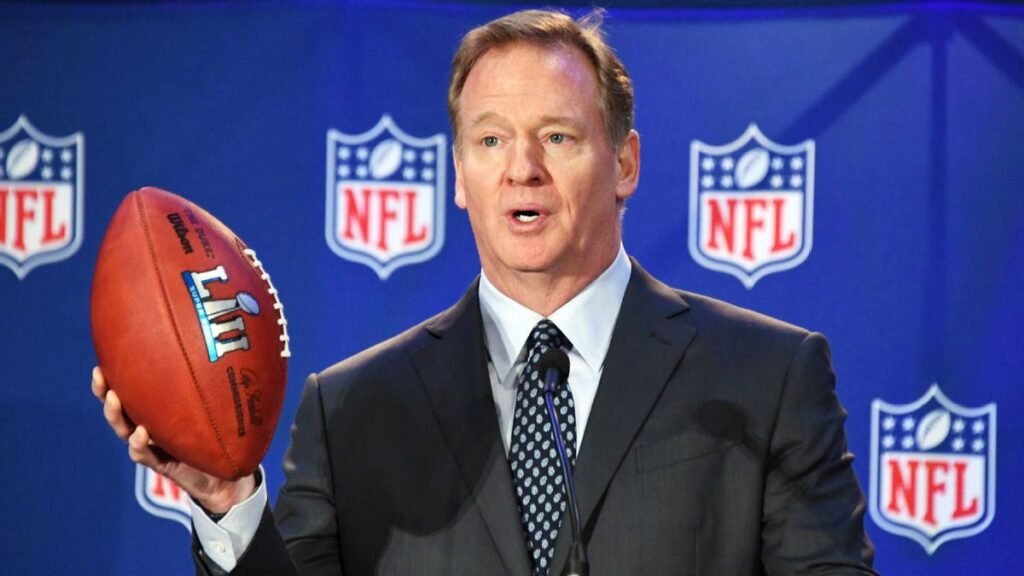

When NFL fans debate controversial decisions, one phrase comes up over and over again: Rule 17.
While most rules apply to players and referees on the field,
this rule is different—it gives the commissioner the authority
to intervene when something extraordinary threatens the fairness of the game.
But here’s a twist: Despite its potential to change history, Rule 17 is almost never used.
So, why does it exist, and what makes it so controversial? Let’s look at the mystery of Rule 17,
its history, its potential, and why it sparks debate every NFL season.
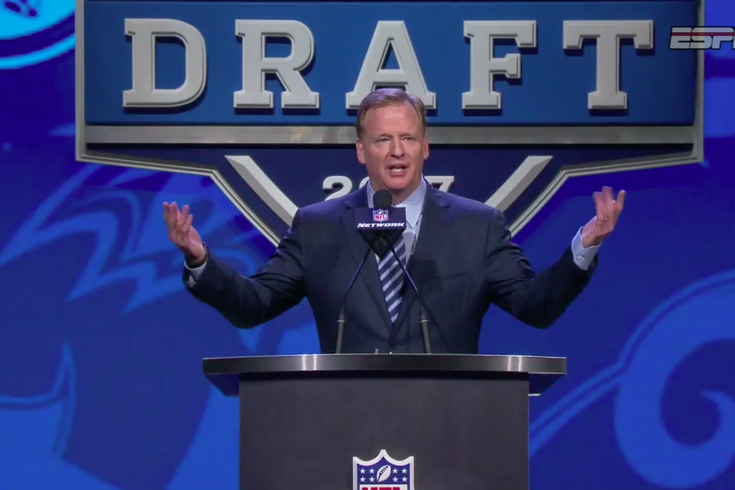
What is NFL Rule 17?
NFL Rule 17, officially titled “Commissioner’s Authority,”
exists as an all-encompassing remedy for situations that cannot be anticipated in the rulebook.
Although most rules provide penalties for holding, offsides, or roughing the passer,
Rule 17 gives the commissioner the authority to “take appropriate action” in extraordinary circumstances.
This means that if something out of the ordinary happens—a power outage, fan interference,
or a shocking umpiring error—the commissioner can intervene by:
Ordering a full replay of the play.
Ordering a partial replay starting at a particular point.
Taking other corrective action to maintain fairness.
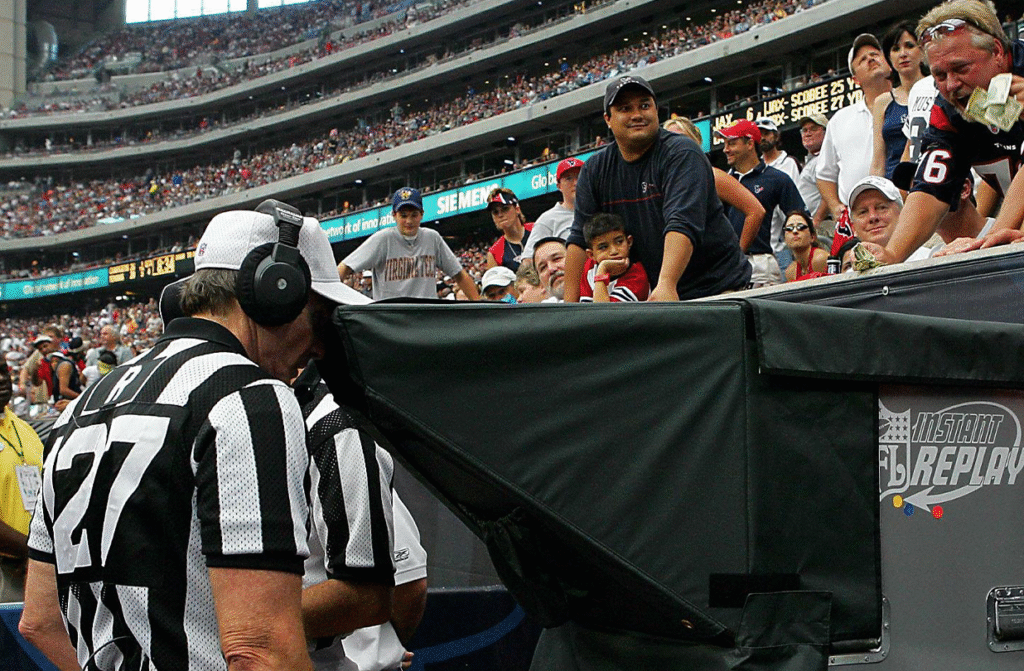
Why Rule 17 Exists
Football is unpredictable. A game played in front of 70,000 fans,
millions watching at home, and 22 players clashing at full speed can create situations never imagined in the rulebook.
Rule 17 was designed as a safety net.
Think of it as an emergency exit door—it exists only in case something happens that threatens the integrity of the game.
Imagine these scenarios:
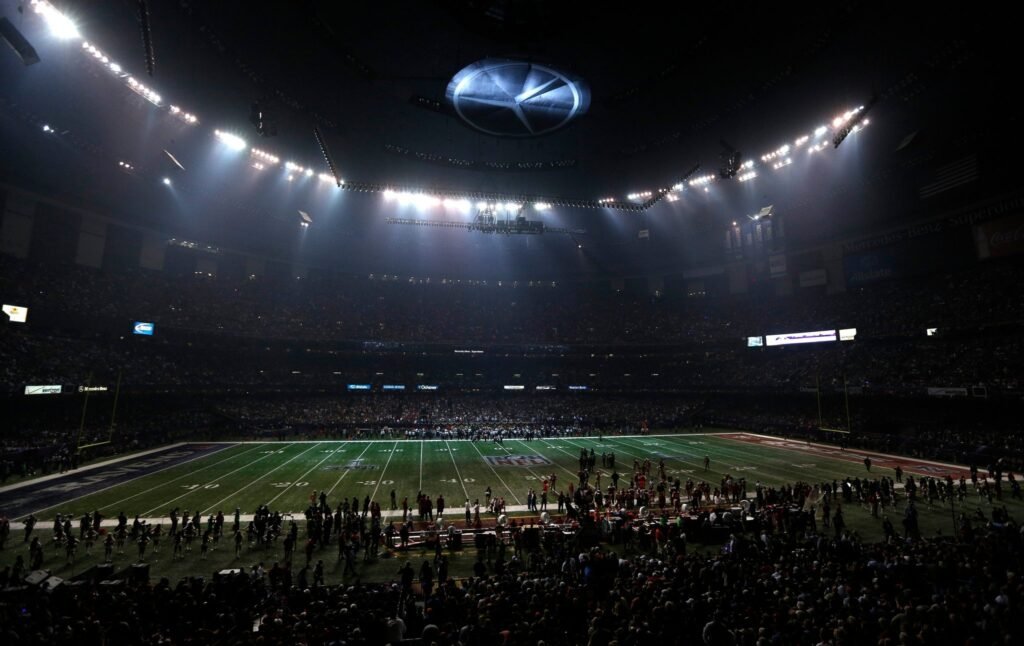
The stadium loses power during the last two minutes of a tied playoff game.
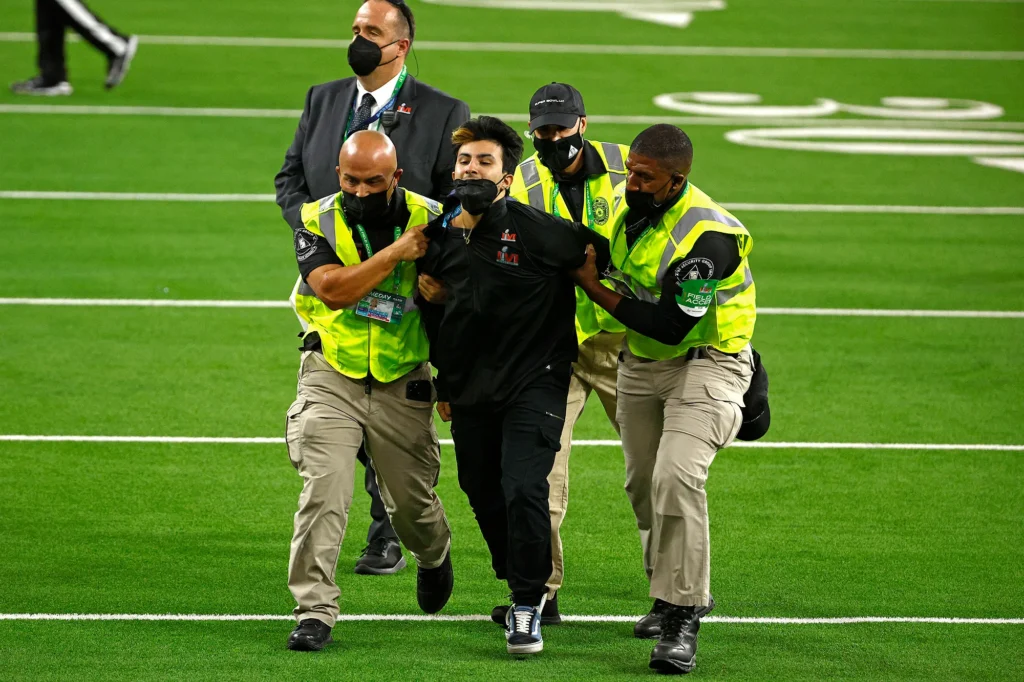
A fan storms the field and knocks a live ball out before a touchdown.
A timing error allows an extra play to decide the outcome.
Without Rule 17, the NFL would have no way to fairly resolve these rare but game-changing situations.
Key Provisions of Rule 17
Rule 17 has two main sections:
Unfair Act
If something happens that is “outside the accepted strategy of the game” and directly affects the outcome, the commissioner can intervene.
Replay Authority
The commissioner can order the game to be replayed either throughout the match or from a specific interruption point.
Key Language
The rulebook states that the commissioner has the authority to take “any action he deems appropriate.”
This vague wording gives him wide discretion—which is both a strength and a controversy.

Famous Controversies Surrounding Rule 17
Although Rule 17 is rarely used, it has been the center of several high-profile debates.
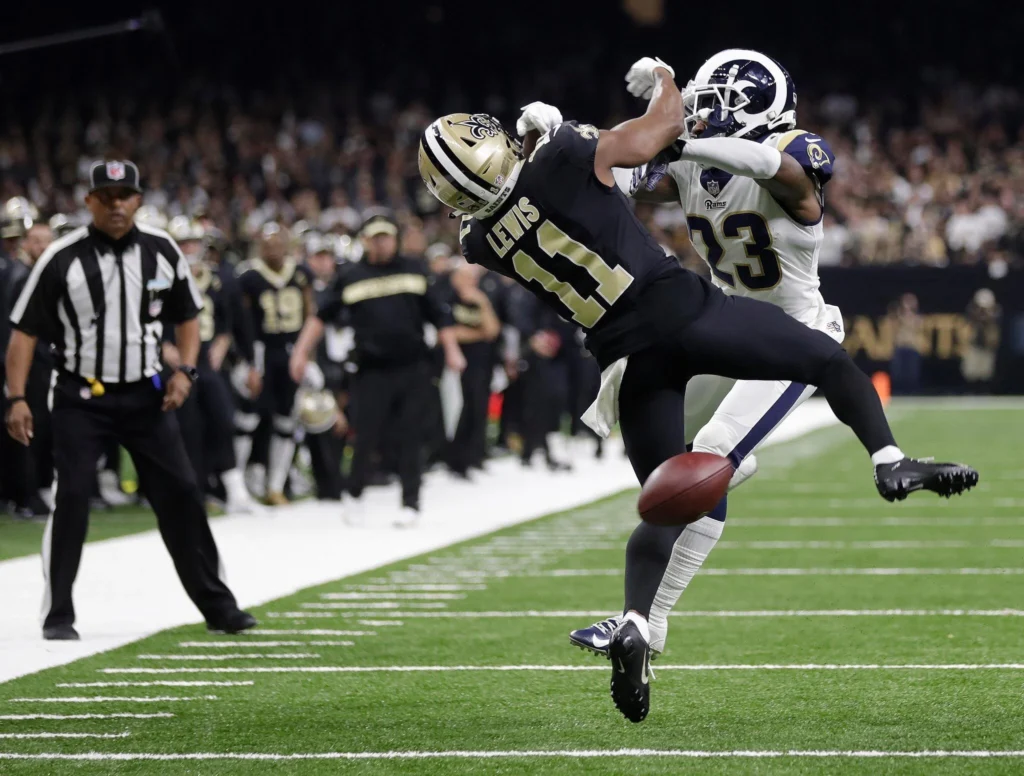
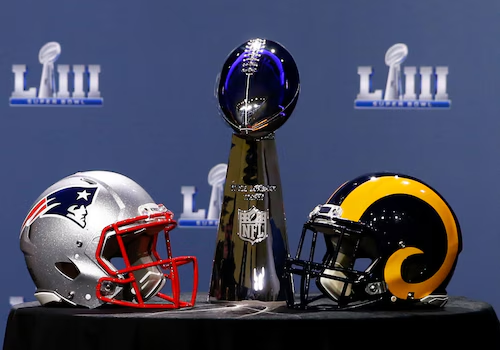
2018 NFC Championship Game – Saints vs. Rams
In one of the most infamous moments in NFL history, officials failed to detect clear pass interference against the Rams in the final minutes. The Saints might have advanced to the Super Bowl.
Fans, analysts and even politicians demanded the commissioner use Rule 17 to replay the game.
Roger Goodell refused, arguing that overturning the referee’s decision would set a dangerous precedent.
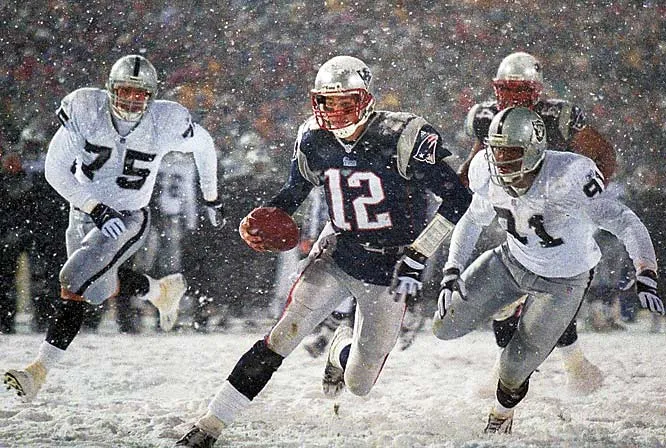
The “Tuck Rule” Game – Patriots vs. Raiders (2001)
Tom Brady’s great playoff run began with a highly controversial use of the “tuck rule,”
where a potential fumble was ruled an incomplete pass.
Raiders fans objected and insisted that Rule 17 could be used to correct this injustice. It never happened.
Fan interference cases
Occasionally, fans have interfered in live matches (e.g., the infamous “12th man” situation in baseball,
such as Steve Bartman).
While this is more common in MLB, NFL fans have speculated about the role of Rule 17,
if something like this were to ever directly change a playoff match.
Why the NFL doesn’t use Rule 17
So, if the commissioner has this power, why isn’t it used? The main reasons are:
Protecting the referee’s authority
If the league constantly overturned decisions,
the referee’s credibility would be diminished and matches would be endlessly disputed.
Logistical nightmare
Imagine having to replay a match.
Scheduling, stadium availability, and broadcast contracts make this nearly impossible.
Fairness vs. Finality
The NFL values finality—once a game is over, it’s over. Overturning the results can spark endless debate.
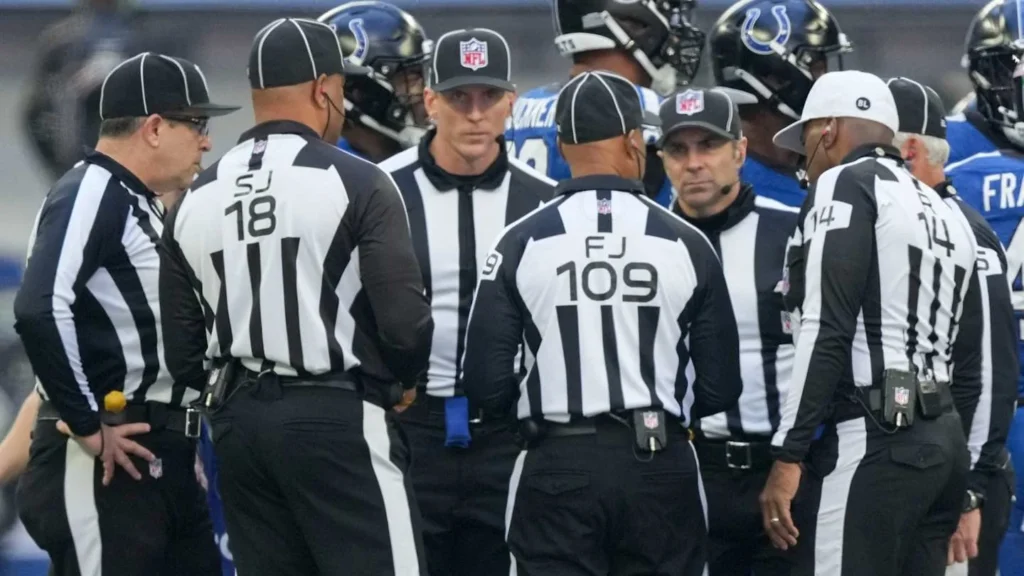
Fan reactions to Rule 17
For fans, Rule 17 feels like a “nuclear button” that the NFL refuses to press.
Every controversial ending sparks cries of “Why not use Rule 17?”on social media.
Saints fans even filed lawsuits in 2018 arguing the league was not following its own rules.
While courts dismissed these cases, they proved just how seriously fans take this rarely used clause.

How Rule 17 Compares to Other Sports
NBA: The commissioner can order a replay in rare circumstances (e.g., scoring errors), but this is almost never done.
MLB: Matches postponed due to weather will be replayed from the spot of the interruption, but controversial decisions will stand.
FIFA Soccer: Once the match has resumed, results will stand—even if there are officiating mistakes.
Compared to these, the NFL’s Rule 17 is more flexible, but also more controversial.

Could Rule 17 be used in the future?
Although history shows reluctance, experts believe Rule 17 could be used when:
A technical failure (such as a replay system crash) has impacted a playoff game.
The part-time umpiring crew has walked out in protest mid-game.
A catastrophic mistake (such as a scoring miscalculation) has outright decided the Super Bowl.
In such rare cases, the commissioner may have no choice but to take action.
Experts’ take on Rule 17
Legal analysts: Argue that Rule 17 is too vague and could lead to lawsuits if applied inconsistently.
Former players: Say it’s necessary, but doubt the NFL would ever risk using it.
Fans: See it as a tool of justice that the league refuses to use.
Final thoughts
Rule 17 may be the NFL’s most powerful—and most overlooked—rule.
It was created as a safety net for extraordinary circumstances,
yet the league has repeatedly chosen not to use it, even during infamous controversies.
At its core, Rule 17 represents the NFL’s eternal balance:
fairness versus finality.
For now, the rule languishes in the background,
waiting for the day when something so unprecedented occurs that the commissioner has no choice but to invoke it.
Until then, Rule 17 will remain one of football’s most intriguing mysteries—an untested right that can change history with a single decision.