
Introduction – Why MLB realignment is trending nowadays
Major League Baseball is once again at a crossroads. Commissioner Rob Manfred has suggested a bold new idea: geographic realignment of teams. Instead of traditional divisions rooted in decades of history, MLB would reorganize teams based on location and regional rivalries.
The proposal has sparked fierce debate in the sports media and fan communities. Some consider it a revolutionary way to bring baseball into the modern era, while others consider it a dangerous break from tradition.
What is the MLB Geographic Realignment Proposal?
The concept is simple but unprecedented: teams would be grouped based on geography rather than league history.
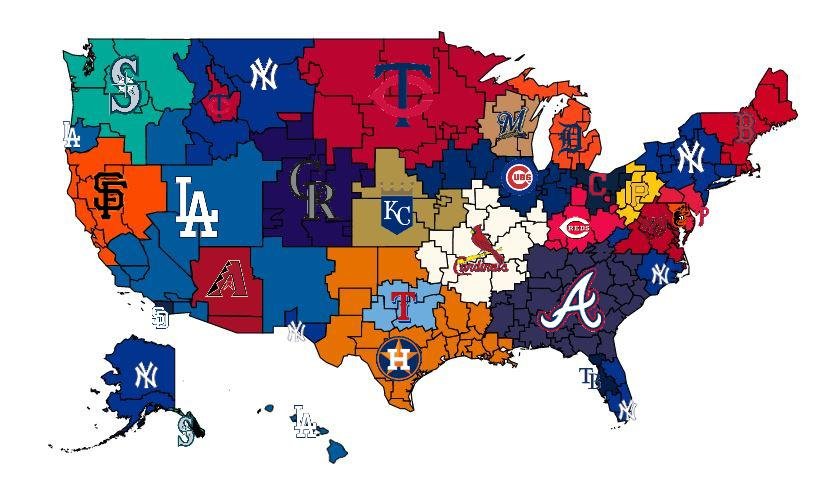
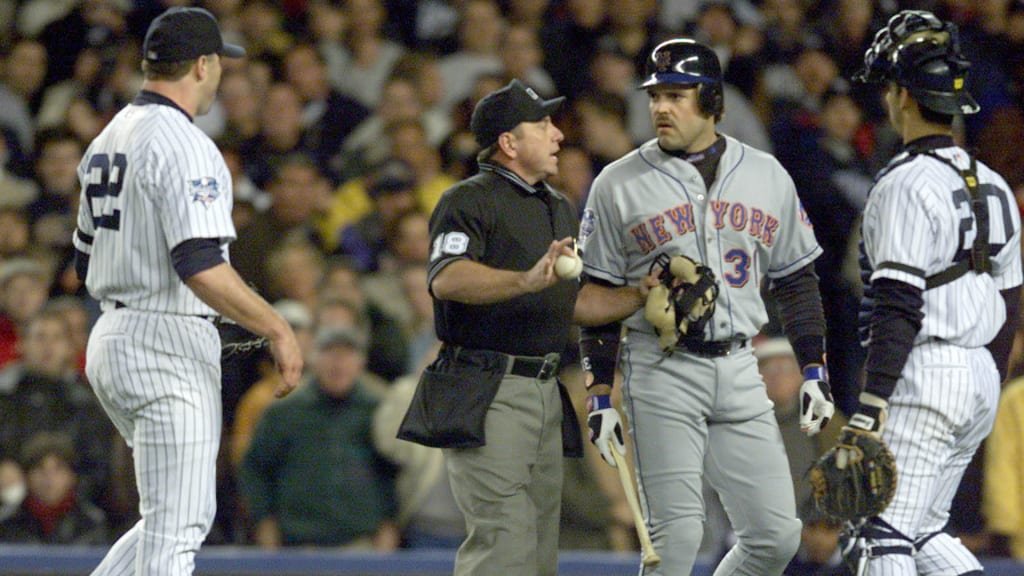
Imagine: the New York Yankees and New York Mets in the same division. The Chicago Cubs and Chicago White Sox regularly face each other. The Dodgers and Angels struggle for supremacy in Los Angeles throughout the season.
In essence, MLB would switch from tradition-based divisions to location-based groups, making local rivalries even more intense while reducing the burden of travel.
Michael Kay’s surprising support
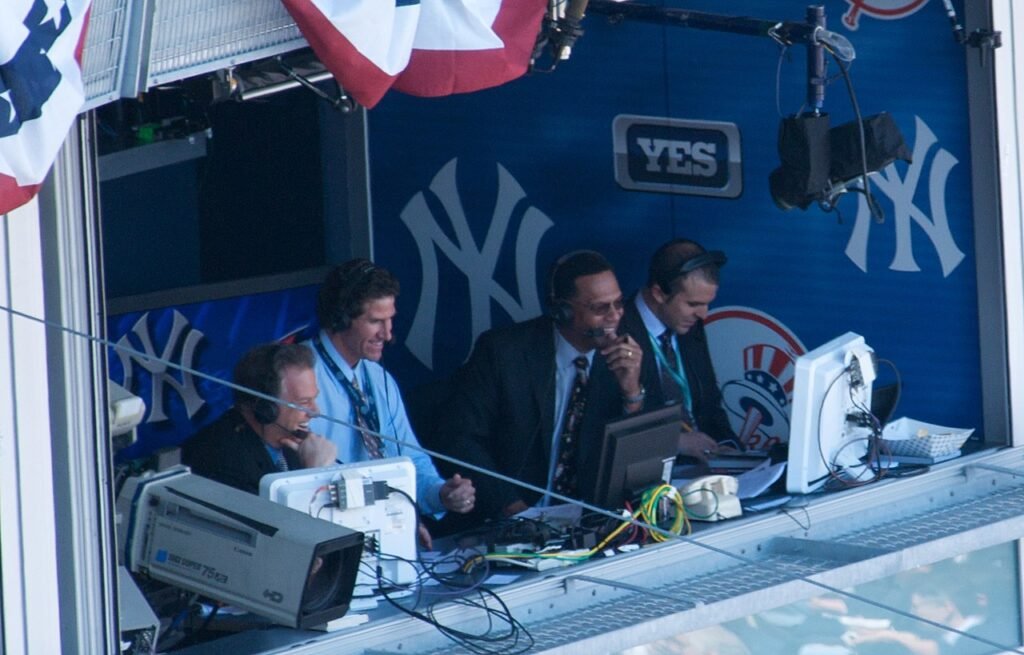
One of the loudest voices in favor of this plan is Michael Kay, a longtime Yankees broadcaster. On his radio show, he acknowledged that although many fans would be hesitant, trying realignment could be worthwhile.
Kay argued that rivalries like Yankees-Mets or Cubs-White Sox would inject new energy into the sport, boosting TV ratings and fan engagement.
His support surprised many because Yankees broadcasters usually support the traditional AL East structure. Kay’s support shows that even insiders understand MLB’s need for new innovation.
Voices of dissent
Not everyone agrees with the idea.
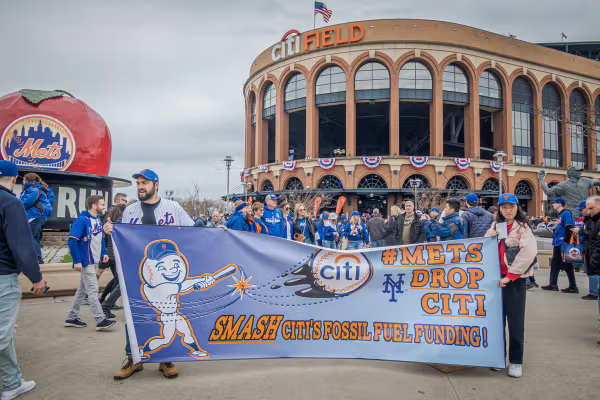
Mets broadcaster Howie Rose strongly opposed the idea and called it “a gimmick that destroys baseball history.”
Former MLB player Cameron Maybin also expressed concern and pointed out that historic rivalries like the Yankees vs. Red Sox or Dodgers vs. Giants would lose significance if the divisions changed dramatically.
On Twitter, Reddit and sports talk shows, fans are divided. Some like the idea of a local derby, while others fear that MLB will become unrecognizable.
Historical Context – MLB Division Structures Over the Years
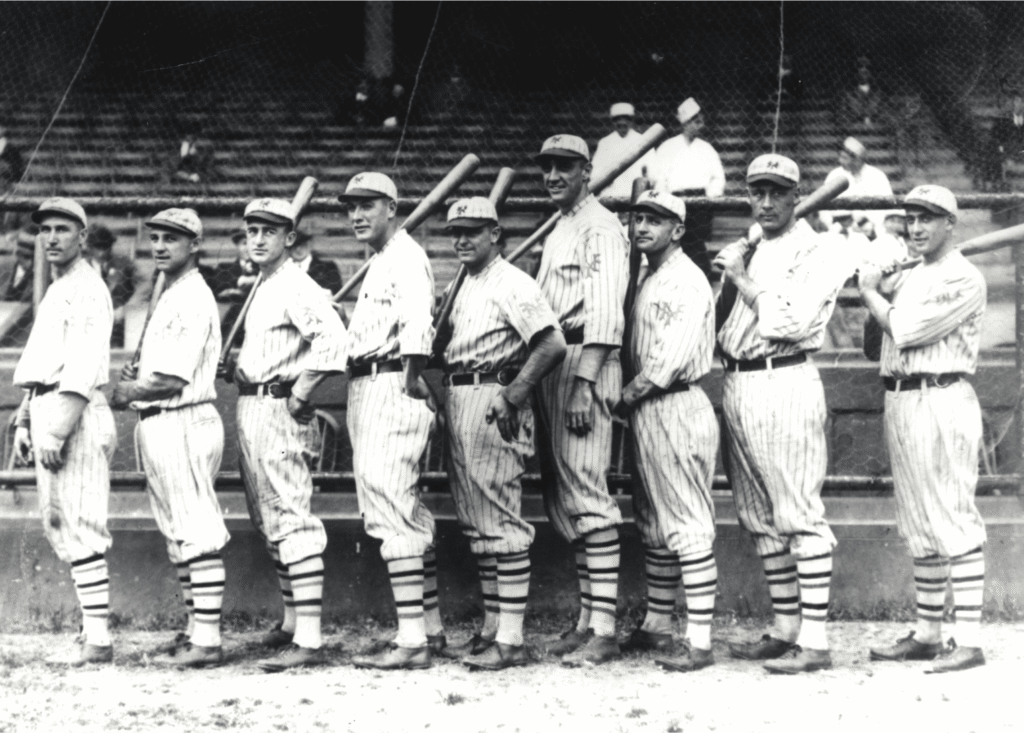
This is not the first time MLB has restructured.
1969: MLB expands from two leagues to divisions for the first time.
1994: MLB restructures to three divisions per league, introducing the wild card.
1997: Interleague play is born, a controversial but now popular change.
Every adjustment faced initial resistance, but over time fans embraced it. This restructuring may be the next evolution of the game.
Potential Benefits of Geographic Realignment
Stronger local rivalries
Imagine a season filled with Yankees vs. Mets, Dodgers vs. Angels, and Cubs vs. White Sox. Local bragging rights would boost ticket sales and TV ratings.
Reduced travel fatigue
Teams currently face a tough schedule from coast to coast. Grouping by geography would reduce travel, improving player health and consistency.
Higher attendance and engagement
If opponents are nearby, it will be easier for fans to travel to away games, leading to more enthusiastic stadium atmospheres.
Potential Drawbacks and Criticisms
End of a historic rivalry
The Yankees-Red Sox rivalry has defined baseball for over 100 years. Would it be the same if they weren’t in the same division?
Breaking up heritage and tradition
Fans cherish MLB’s history. This change could alienate purists who believe traditions are being sacrificed for TV ratings.
Unbalanced competition
Some divisions could become “super divisions,” where one region would have several strong teams while others would be weak.
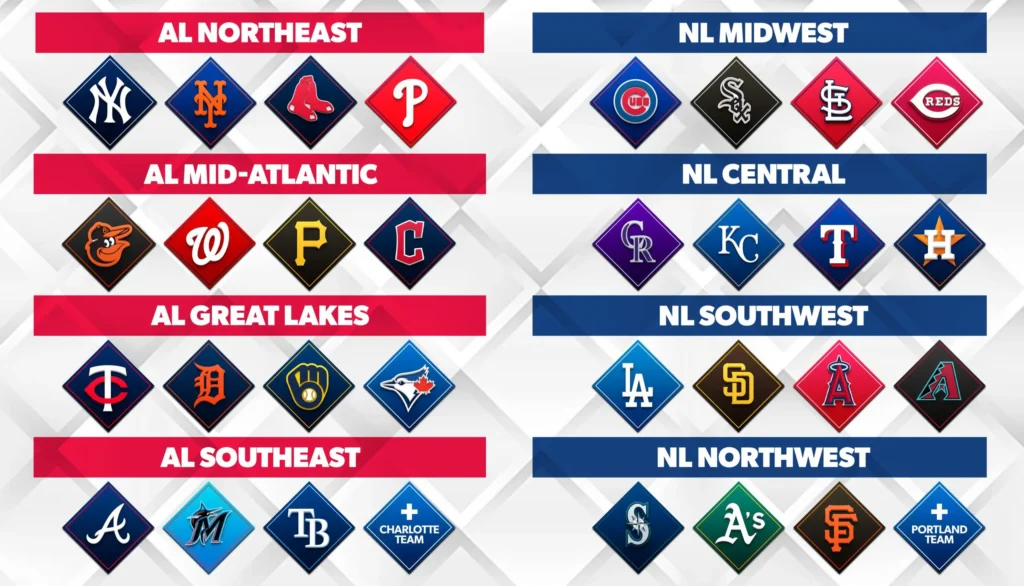
What could this change actually look like? Here’s an example of what geographic MLB realignment could look like:
East Division
Yankees, Mets, Red Sox, Phillies, Nationals, Orioles
Midwest Division
Cubs, White Sox, Cardinals, Brewers, Tigers, Guardians
South Division
Braves, Rays, Marlins, Astros, Rangers
West Division
Dodgers, Angels, Padres, Giants, Athletics, Mariners
This arrangement would increase rivalries while keeping travel reasonable.
(Image suggestion: Infographic of proposed MLB realignment divisions with logos)
Impact on All-Star Game and World Series
Geographic divisions could reshape MLB’s biggest events:
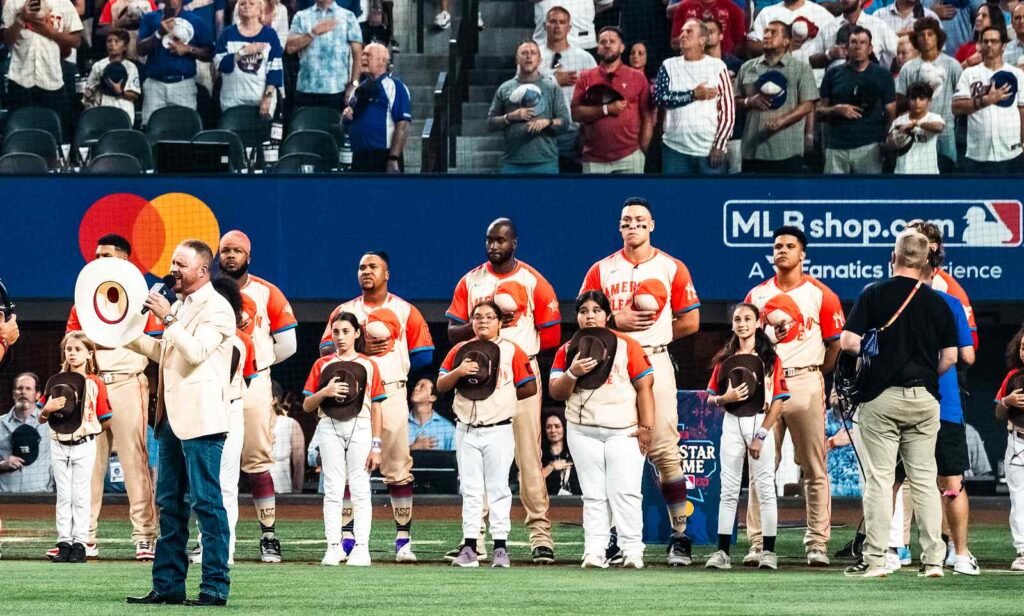
All-Star Game: Lineups loaded with regional stars facing off.
World Series: The potential for “local vs. local” rivalries to spill over to the national stage.
TV ratings: More engagement as fans become more enthusiastic.
Conclusion – Is MLB ready for change?
Rob Manfred’s restructuring proposal represents a clash between tradition and innovation.
On the one hand, it could breathe new life into baseball with fiercer rivalries, less travel and new fan experiences.
On the other hand, it risks breaking away from the history that has made MLB beloved.
The question is: Do fans want baseball to evolve, or stay mired in its past?
No matter which side of the debate you’re on, one thing is clear—the MLB restructuring discussion is shaping the future of America’s pastime.